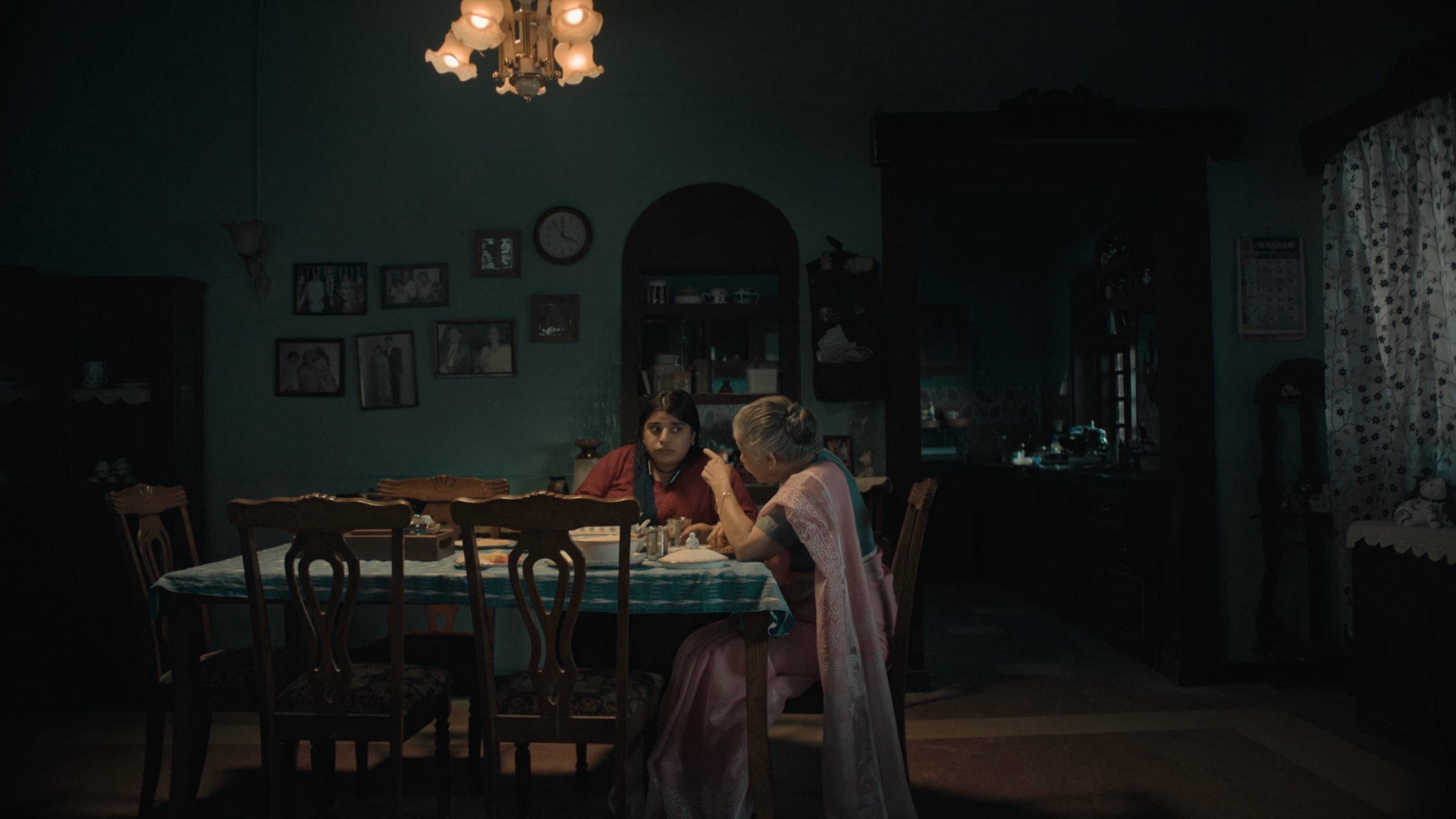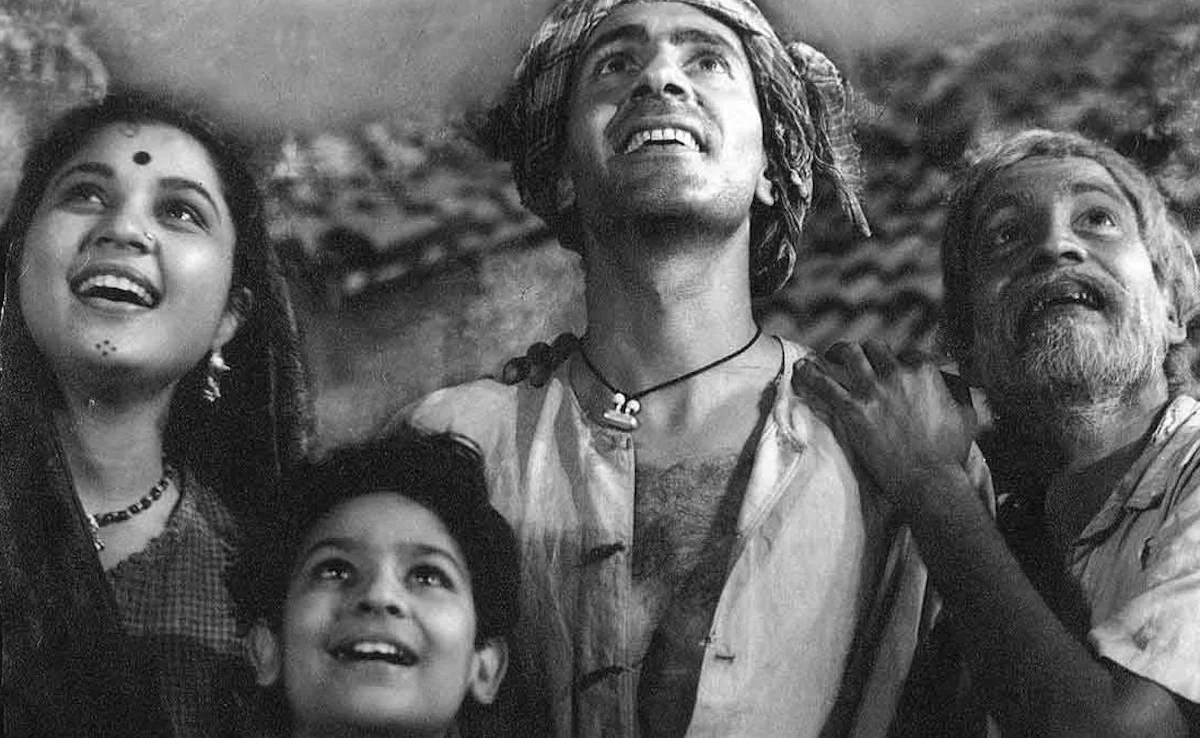
The mid-twentieth century was a period of transition. Many countries in Asia and Africa were liberated from colonial rule. The axis of global power shifted away from Western Europe towards the United States and Russia. The pace of modernity and industrial development accelerated. And this included newly independent India.
Most of the Indian intellectuals of that era, freshly liberated from years of brutal colonial rule, were products of this very socialist period. This influence is clearly visible in Hindi cinema. Numerous socialist films influenced by Gandhian philosophy dominated the silver screen in the 50s and 60s.
Films like Do Bigha Zamin, Pyaasa, Boot Polish, Upkar, and Naya Daur released during that period have become immortalised. These films not only became an integral part of Indian popular culture but also succeeded in leaving an indelible mark on the Soviet countries, largely due to the absence of American and Western European films there.
The patriarchal transformation of Hindi socialist cinema
By the 1970s, the creation of a bourgeois middle class in India began to take shape. This class now desired entertainment from films, not the sermons that most films during that period offered. Meanwhile, in the West, against the backdrop of the Cold War, characters like James Bond were being created to serve up thrills and a dramatic sense of moral superiority. Consequently, ‘masala cinema’ emerged in India. However, despite this, socialism did not vanish from Indian screens; it merely changed its form. Instead of Gandhianism, dramatic revenge became the primary tactic through which social justice was achieved in films.
Films like Kaala Patthar (1979), Roti Kapada Aur Makaan (1974), Mard (1985), Coolie (1983), Pukar (1983), Manzil (1979), Pyar Jhukta Nahin (1985), Aa Gale Lag Jaa (1973), and Hero (1983) were saturated with socialist ideas. These were stories of the proletariat versus the bourgeoisie, the poor versus the rich, and the exploited versus the exploiter. However, these films differed from those of previous decades. Songs were often filmed as romantic duets, and action, specifically man-to-man combat, became a central part of these movies. The audience’s desire for entertainment had distanced these films from a realistic portrayal of society.
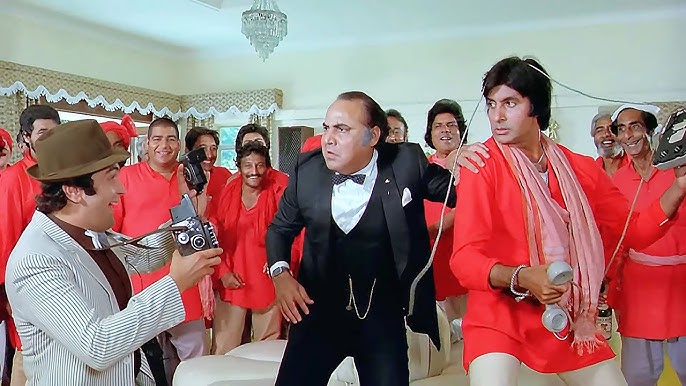
These films placed the socialist utopia within an Indian feudal background, portraying the hero as the champion of social justice. Typically, the hero was a daily wage labourer or a poor worker seeking revenge. However, what is noteworthy is that these films and their plots, while maintaining a socialist perspective, could not free themselves from patriarchy.
What is noteworthy is that these films and their plots, while maintaining a socialist perspective, could not free themselves from patriarchy.
These films showed the poor proletarian hero demonstrating moral superiority over wealthy bourgeois villains. The hero achieved this by damaging the villain’s property and ending his dominance, sending him to prison, or even directly killing him. Several films took this to a step further: the hero’s love interest was often shown to be the villain’s sister or daughter. Examples include Johny Mera Naam (1970) and Aakhree Raasta (1986). Even if the heroine was not related to the villain, there were many films where she was depicted as a woman coming from wealth, such as Kaala Patthar (1979).
Since the hero of these films was righteous, despite him lacking material comforts, the heroine was attracted to him. In this manner, these films proved the hero to not only be a victor of social justice but also a sexual victor. And while on one hand, the consensual relationship between the hero and heroine suggested an ideal utopia where relationships were based on factors beyond wealth, on the other hand, the films continued to display the woman character as a commodity.
These films proved the hero to not only be a victor of social justice but also a sexual victor.
Historically, women have been viewed as the ‘property’ of men and commodified. These films seem to reinforce this idea to some extent. ‘Masculine’ characters were often depicted as extremely virile. They were attractive, serious characters capable of enduring immense pain. Such characters not only laid claim to the dominance, splendour, and power of the wealthy villains but also brought the villains’ women under their dominion. Ultimately, in these narratives, women remained merely objects to be conquered.
In the film Mard (1985), there is a scene where the hero, a tonga driver, is taken away by soldiers. The heroine, who is the mayor’s daughter, whips him, but this has no effect on him. The hero proclaims, ‘Mard ko dard nahi hota (A man doesn’t feel pain)‘. During this sequence, the hero abducts the heroine and takes her to a salt pan. On the way, she is bloodied by bushes. The hero rubs salt into those wounds. In the subsequent scene, the heroine is portrayed, surprisingly so, as becoming sexually aroused.
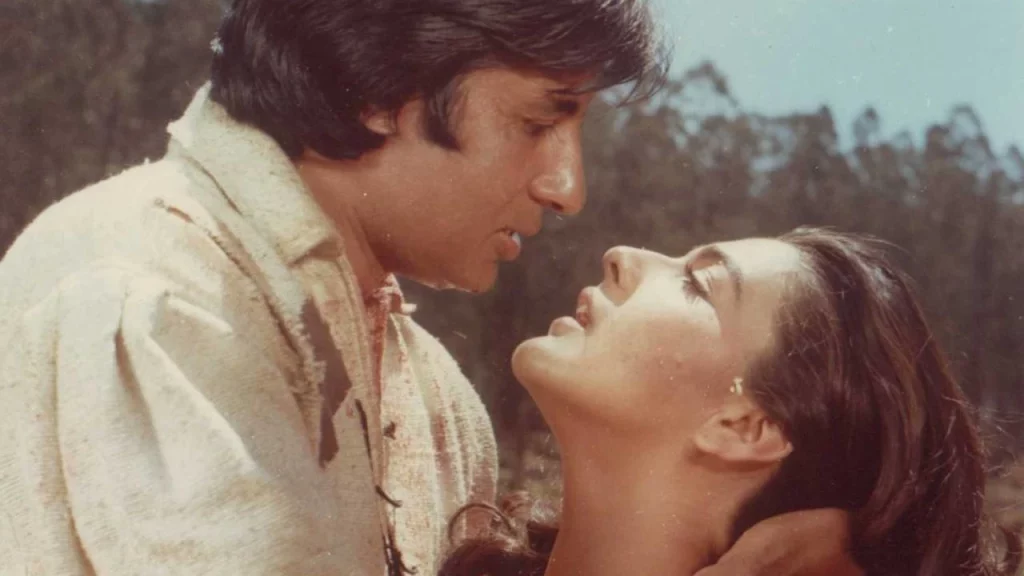
The fact that they had sex is alluded to by the vigorous shaking of a nearby structure. Through this scene, the protagonist was expressing his victory over the mayor by sleeping with his daughter. The woman became merely an object of consumption for the sake of the hero’s victory.
Taming the self-reliant woman
The other problem with these films was the character arc of the heroine. If the heroine were related to the villain, her loyalty and her allegiance would shift towards the hero by the end of the film. This loyalty was expressed through her becoming more gentle — as a manifestation of her becoming more ‘feminine’ — and supporting the hero’s quest for revenge.
If she were not related to the villain but was simply wealthy, she would become empathetic toward the poor by the end of the film. But she would also stop wearing Western clothing and become ‘kind-hearted’. In the third scenario, if the heroine were a middle-class or a financially independent woman, she would only exist to provide moral support to the hero.
One could argue that since the story revolves around the protagonist, all characters exist to fulfil his objectives. However, these women characters, especially middle-class ones, were initially portrayed as sharp, independent-thinking, headstrong, and self-reliant women. Showing them this way was an attempt to show the hero as liberal, that he is attracted to women with traits that society frowns upon. But by the end of the film, these traits would vanish. The heroines would surprisingly abandon their outspoken nature, as if to demonstrate the hero’s ability to tame the insolent woman. Aakhree Raasta (1986) and Laadla (1994) are notable in this regard.
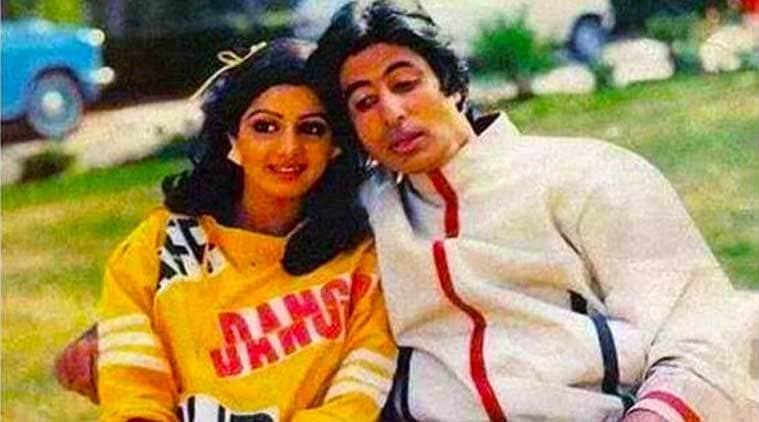
A scene from Aakhree Raasta. Image Credit: Lakshmi Productions.
While the second wave of feminism was taking shape during this time, the ‘angry young man’ character was being created in India. In this contradiction, attempts were made to script headstrong female characters, but by the end of the film, they were sacrificed at the altar of ‘gentleness’ and ‘femininity’. The heroine remained only an emotional and moral support for the hero; her own personality was lost somewhere in this conflict.
Conclusively, the socialist hero introduced with the emergence of Indian ‘masala cinema’ remained one-dimensional and patriarchal. While he stoked the flames of class struggle and fought for social justice, the heroine from the rival class emerged merely as a prize he had won. This socialist ‘angry young man’ only accepted the woman’s gentle and devoted form instead of her independence. This hero established himself as a new kind of feudal lord. As revolutionary as these films may seem to be at first glance, they are hollow when it comes to gender equality.
About the author(s)

Ashish Kumar Sharma is pursuing a PhD in the Department of History at Banaras Hindu University. His research focuses on the religio-cultural history of South and Southeast Asia, and his research interests include Indian miniature paintings, temple architecture, Hindi literature, and world cinema.