When a war breaks out, when famine spreads, when states collapse – the very first images that reaches the world are often of men holding weapons and politicians at podiums. Rarely do the women waiting for rescue, the girls pulled from school, or those bartering dignity for survival make it to the front page. Audre Lorde, who was an American professor and civil rights activist, wrote ‘There is no such thing as a single-issue struggle because we do not live single-issue lives.’ Every humanitarian crisis is, thus, by extension a feminist crisis.
Feminism, as we know it in its truest form, is not simply a narrow movement for gender equality in isolation but rather for wherever inequality exists. To call every humanitarian crisis a feminist issue, thus, is to acknowledge that consequences of disaster, displacement, and war are never gender-neutral. They may strike a population at large but the impact of such catastrophes splinters along lines of gender, class, and power.
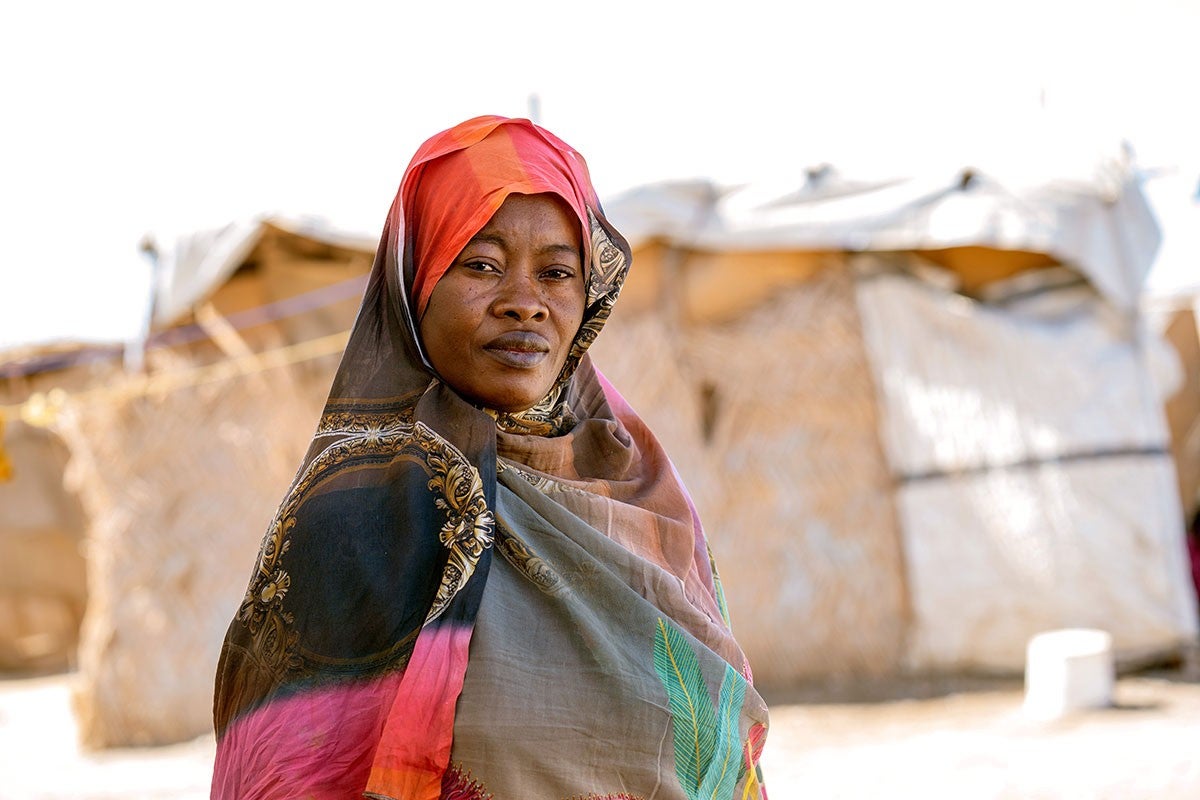
To call a crisis feminist, then, is to shift the moral lens. It is to ask whose suffering do we normalise, whose resistance do we overlook, and whose humanity do we forget first?
The need to revisit, rewrite and relocate women in war
The treatment of war as a genderless phenomenon goes to show how experiences of women are still side-lined. When food runs out, they are the last to eat. When peace is negotiated, they are asked to stay home. To say every humanitarian crisis is a feminist issue is to reject this blindness, to assert that every war is a war on women. Feminism, as Bell Hooks wrote, is ‘a movement to end sexism, sexist exploitation, and oppression.’ It also falls upon us to acknowledge that crises intensify all three of them.
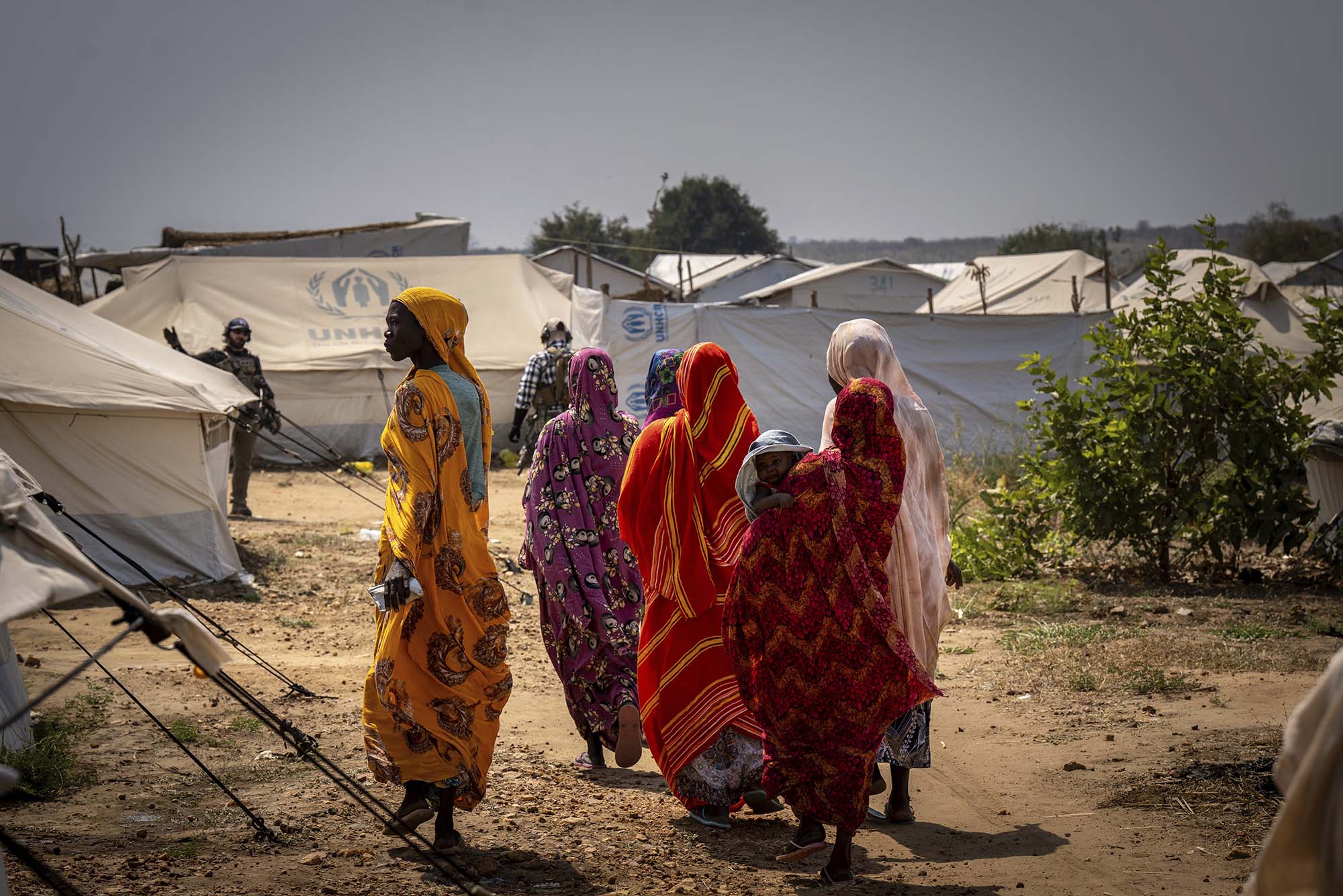
Gendered norms have been dictating who can escape, who is to be rescued, who deserves food, who deserves housing in times of crises. In refugee camps, it is well documented that women face heightened risks of sexual violence and exploitation, while little girls are married off earlier to reduce “economic burden.” Access to menstrual hygiene, contraception, or abortion, which are already politicised and debated during state of “peace” becomes a matter of survival in war.
But to see women as only victims in these moments is also erasing half the story. Women have also formed the very backbone of survival. In the absence of functioning states, it is women who create informal networks of care that hold communities together. English women, for example, drove ambulances, worked in factories, and oversaw civil defence operations through a number of organisations during World War II, making sure that millions of people had access to food, shelter, and safety. In the war-torn Soviet Union, outside of Europe, women established underground networks to care for the injured, fight alongside them, and support local economies in the face of continuous bombardment. There exists many stories like these but very few of them documented.
Recognising the leadership and resilience of women redefines what it means to wage and survive war.
Recognising the leadership and resilience of women redefines what it means to wage and survive war. The experiences of women in war and conflict areas must be taken from the periphery to the centre if we are to adequately address the human cost of conflict.
Sudan: a crisis that tests feminism’s global solidarity
The civil war in Sudan is one of the world’s most urgent yet most ignored humanitarian crises. Since April 2023, the war fought amongst the Sudanese Armed Forces (SAF) and the UAE-backed Rapid Support Forces (RSF) has displaced millions, consequentially pushing Sudan at the face of famine and genocide, to the extent of the blood spilled in the violence being visible from space.
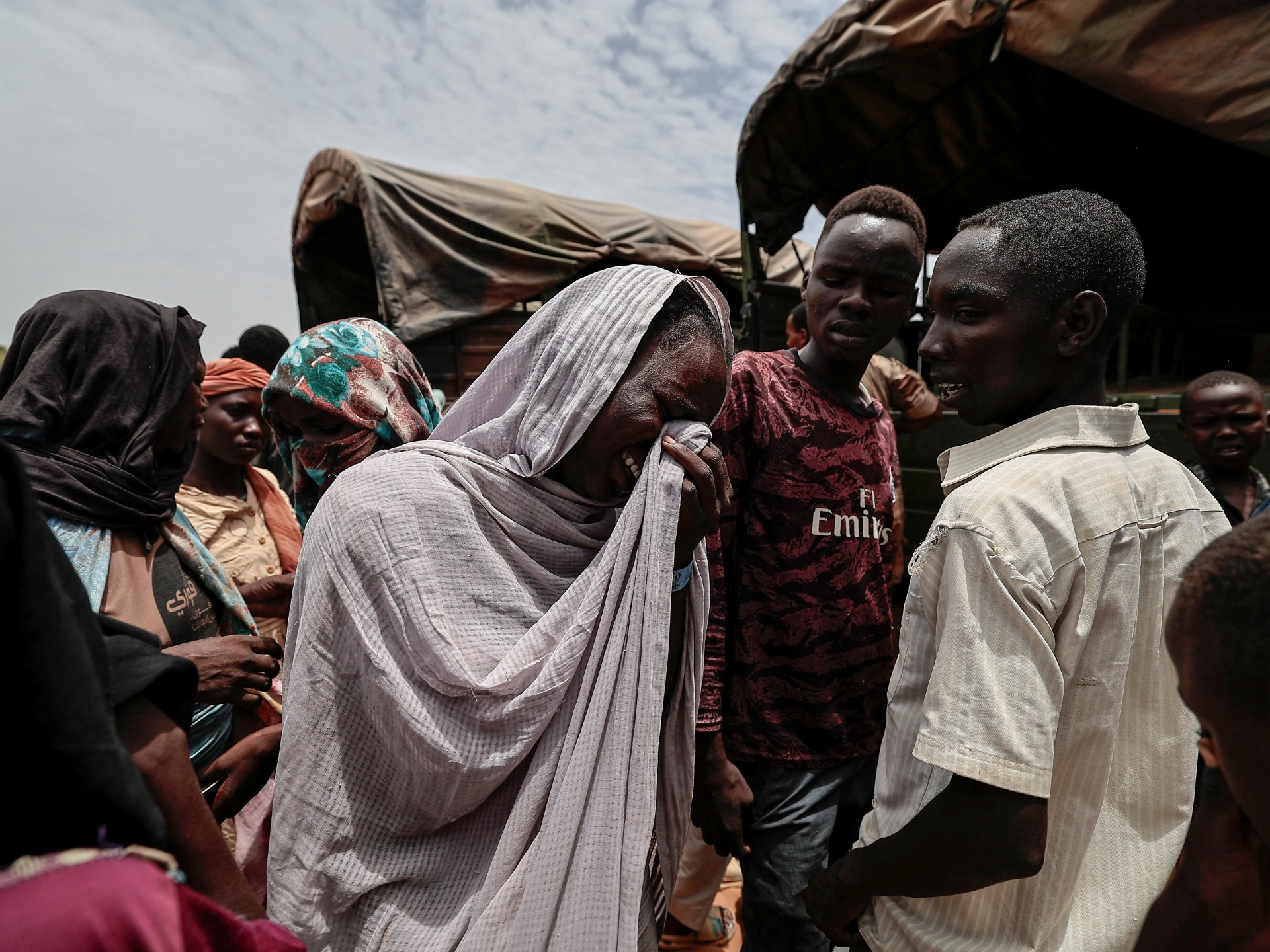
Reports from Sudanese women on the ground tell a harrowing story of rape being used as a weapon of war, of women being kidnapped and enslaved by militias, of entire generations of girls deprived of education. In a repeating pattern of past genocides, women in Darfur describe systemic sexual violence aimed at breaking their communities. The United Nations has gone so far as to call it ‘the world’s worst humanitarian crisis for women and girls.’
The Sudanese crisis exposes the hypocrisy of the “global” feminist solidarity. The elitist form of feminism often celebrates empowerment in boardrooms and universities but falls silent when Black, Arab, or Muslim women are under siege. The feminist movement cannot claim universality while remaining selective in outrage; to be ignorant of Sudanese crisis is not only an act of political neglect but also feminist failure, for whom feminism is not merely a choice but rather a matter of survival.
Sudanese women have long been at the forefront of resistance. They have led the 2019 revolution that toppled Omar al-Bashir, holding banners reading ‘We are the revolution!‘ and ‘We are the Change!‘
Feminists, thus, must amplify the Sudanese women who, even amid ruin, continue to fight for dignity, justice, and the right to be seen.
Yet the erasure of their experiences from the current events reflect the global pattern of side-lining women once the cameras fade. If feminism is about dismantling systems of domination, it must also dismantle the global hierarchies that decide whose suffering is visible and whose is optional. Feminists, thus, must amplify the Sudanese women who, even amid ruin, continue to fight for dignity, justice, and the right to be seen.
Redefining solidarity in crisis
In every humanitarian crisis, there exists a double injustice: the violence itself, and the indifference that follows. Feminism, when practiced as global ethics rather than Western branding, must ask what does feminist solidarity look like in times of crisis? It cannot be confined to hashtags or performative outrage. It must mean to bring to centre the voices of women who are the most affected. It must mean holding states and institutions accountable for gendered violence, not merely offering charity.
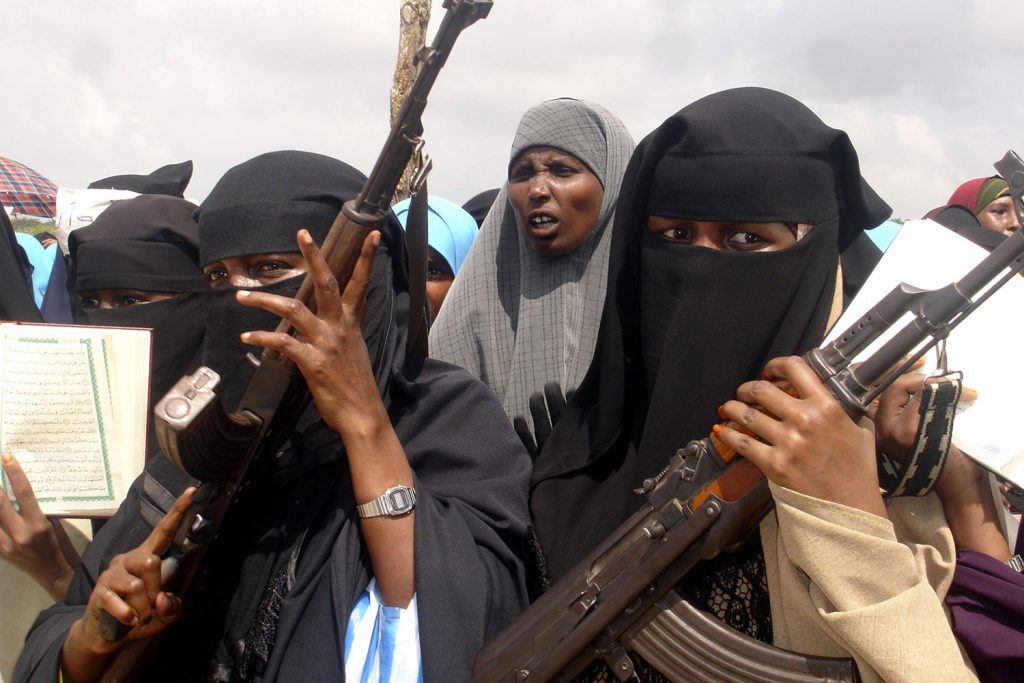
To remain silent is to accept that some lives are more worthy of grief than others’. A feminist would and should surely resist this very hierarchy. We shall see such crises not as an exception but as a reflection of the everyday violence of patriarchy and imperialism. We shall treat reproductive rights, education, and bodily autonomy as non-negotiable even amid rubble and ruin.
Feminism must therefore become not only a fight against gender oppression but against the geopolitical structures that sustain crises in the first place. The question is not merely ‘What is happening to them?‘ but ‘What does our response reveal about us?‘
Global feminist movements are often strongest in rhetoric but weakest in redistribution. The same energy poured into supporting women in Ukraine or Iran must extend to Sudan, Palestine, Yemen, or Congo.
To call every humanitarian crisis a feminist issue is not to dilute feminism; it is to restore its essence. Feminism, after all, is the belief that no life should be disposable, no body should be commodified, and no suffering should be invisible. If we truly believe, that ‘the personal is political,‘ then the global must also be personal, because until we see every humanitarian crisis as a feminist issue, we will continue to rebuild the world with the same unequal foundations that keep breaking it.
About the author(s)

Mema is currently a Master's student at South Asian University (SAU). Hailing from Manipur, her lived experiences there have shaped a deep commitment to the feminist cause. She cares deeply about women and their future, which she tries to convey with her writing. She finds joy in reading, writing and cooking.