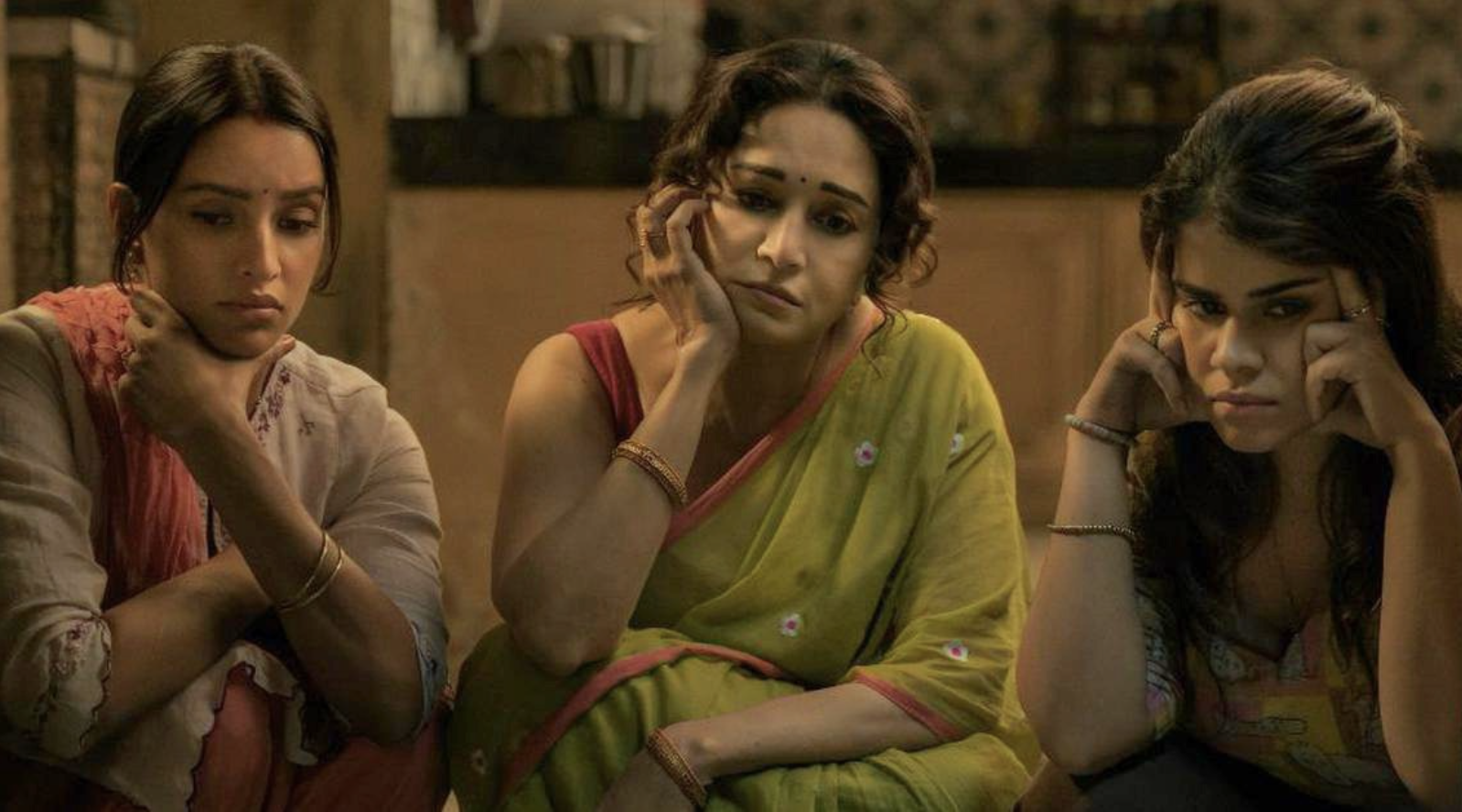
Directed by Suresh Triveni and written by Pooja Tolani, Maa Behen is a chaotic Hindi dark comedy recently released on Netflix. It stars Madhuri Dixit, Triptii Dimri, Dharna Durga, and Ravi Kishan in lead roles. The film follows Rekha (Dixit) and her daughters, Jaya (Dimri) and Sushma (Durga), as they attempt to cover up a crime in a typical Indian colony amid panic, confusion, and the presence of an unconscious man in their house. Beneath all the chaos, however, Maa Behen raises a serious question: What happens when women stop behaving the way society expects them to?
The title sets the tone; it alludes to the gendered maa-behen insults in Hindi, which are commonly used in everyday speech. By using this title for a women-led film, Maa Behen shifts attention to the women hidden behind such gendered abuse: the mother, the sister, and the daughter whose identities are often reduced to casual insults, callously used.
In Indian society, mothers are expected to be unconditionally giving. A mother is supposed to nurture, protect, and forgive her family. Her anger is never treated as reasonable, only as an overreaction. Any mistakes she makes are treated as failures of motherhood itself. Within this patriarchal definition, Rekha is a flawed mother.
Jaya and Sushma represent different pressures placed on daughters. Jaya appears to carry the burden of patriarchal respectability and the ‘adjustment’ expected of women. Sushma brings a sense of restlessness to the narrative through her desire to be seen and recognised. Their relationship with Rekha is not simple. There is distance, resentment, and old emotional hurt. Yet when a crisis arrives, they are pulled back into the family’s mess. This is a familiar pattern in many Indian families, where family members are expected to return whenever emotional labour is needed.
The narrative gaze surrounding Rekha
The most interesting aspect of the film is how the narrative shapes our view of Rekha from the beginning. We are not allowed to meet her freely; we understand her through the flattened version of her that the story initially presents to us. Her clothing, especially her sleeveless blouse, and her appearance are presented in a way that encourages quick assumptions about her. We watch her with the same suspicion as her neighbours. We become so caught up in this misogynistic narrative that we stop making our own independent judgements.

Rekha is seen through the eyes of the film’s patriarchal world as a woman hiding something. She is often called a daayan (witch). This is not too far from how society often views women, especially single women. Women are rarely seen as they are; instead, they are seen through stories told about them by family and neighbours, based on their marital status, their role as mothers, and their performance of respectability. The film uses Rekha’s character to show how easily a woman’s identity can be shaped by such misogynistic narratives and rumours. The neighbours and the larger community represent a gaze that both sexualises Rekha and, at the same time, calls her morality into question because she is being sexualised.
In many Indian neighbourhoods, women are watched closely. What they wear, how they speak, when they return home, whether they are married, whether they are good daughters or daughters-in-law, and whether they are ‘too loud’, ‘too modern’ — everything becomes a matter of public judgement.
In many Indian neighbourhoods, women are watched closely. What they wear, how they speak, when they return home, whether they are married, whether they are good daughters or daughters-in-law, and whether they are ‘too loud’, ‘too modern’ — everything becomes a matter of public judgement. Rekha, a widow, is simply trying to earn a living and raise her two children after losing her husband at the age of 25. However, she is not given the opportunity to succeed. All her attempts to lead a normal life are thwarted by the misogyny of the society around her. Rekha is reduced to her beauty, youthful appearance, and clothing, and is seen as little more than these attributes.
However, the more tangible threat to Rekha is her neighbour, Guptaji (Kishan), a man who is well respected in the colony. His public image protects him and allows him to evade accountability, while Rekha’s reputation is already tainted by suspicion. Rekha pushes him in self-defence when he assaults her, injuring him and leaving him unconscious on the floor. Rekha, Jaya, and Sushma decide to hide him for a few days until they can get their affairs in order.
When a woman acts in self-defence, society questions her version of events: what she wore, why she was alone, and why the man was there in the first place. Proving that she has not transgressed patriarchal norms of feminine respectability becomes a priority above all else.
From past experience, they know that the truth will not protect them. In a way, the women are more afraid of how the story will be told than of the crime itself. When a woman acts in self-defence, society questions her version of events: what she wore, why she was alone, and why the man was there in the first place. Proving that she has not transgressed patriarchal norms of feminine respectability becomes a priority above all else. Thus, there is fear not only of the law but also of social stigma and reputational damage.
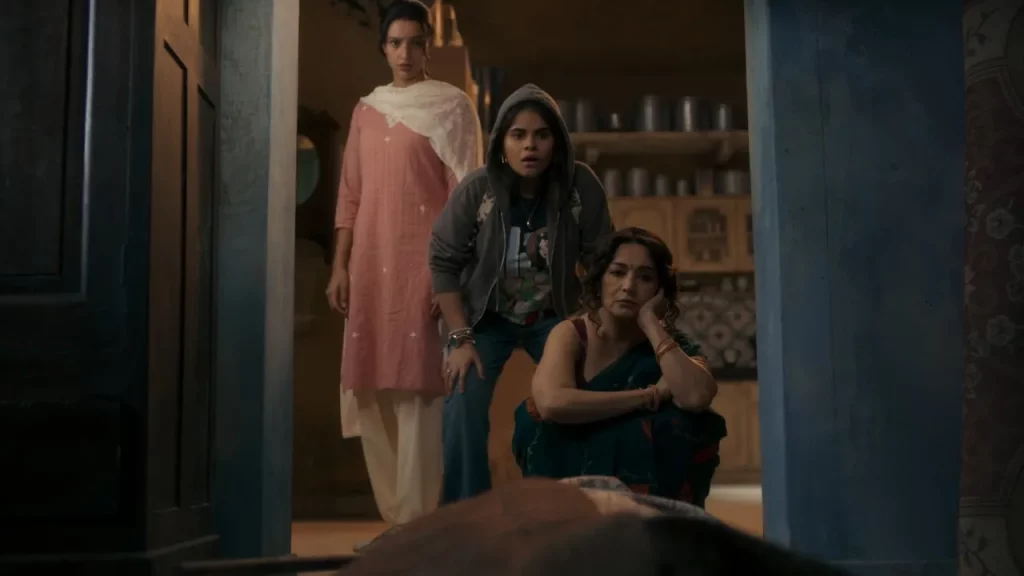
Meanwhile, the colony begins searching for Gupta. The situation becomes more complicated when his family receives a ransom call, even though Rekha and her daughters are not responsible for it. This twist reveals that Rekha is not the only woman seeking an escape from the oppressive patriarchy that shapes her surroundings. It is later revealed that the ransom call was made by Gupta’s daughter, Goldy, aka Hema. She uses her father’s disappearance as an opportunity to escape a forced marriage and pursue her dream of becoming a singer.
The politics of behind the ‘bad woman’
The stories of all four women in the film are tied together by the same thread of patriarchal control. Rekha is trying to escape society’s constant scrutiny, Jaya wants to break free from a suffocating marriage, Sushma seeks to pursue her dreams freely, and Goldy wants to escape a forced marriage.
While their situations may seem different on the surface, they are united by a shared desire for freedom and self-determination. Their struggles stem from a social structure that expects women to obey, adjust, and shrink themselves.
While their situations may seem different on the surface, they are united by a shared desire for freedom and self-determination. Their struggles stem from a social structure that expects women to obey, adjust, and shrink themselves. Jaya’s confrontation with her husband, in which she decides to leave him, is one of the film’s most powerful emotional moments because it challenges the conventional ideal of the ‘good wife’ and marks the moment when Jaya finally chooses herself over social respectability.
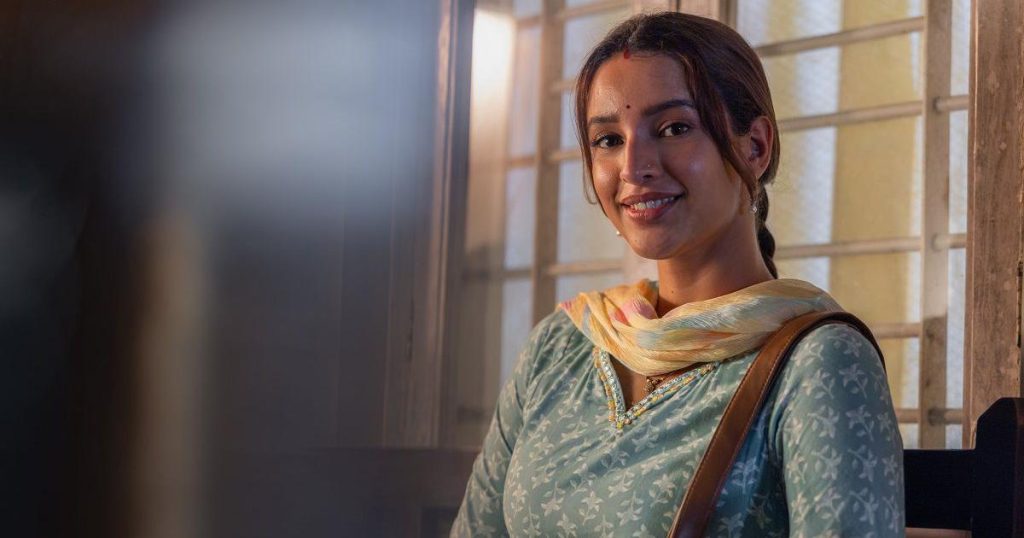
By the end of the film, all four women are able to act more freely, unburdened by patriarchal constraints. The ending of Maa Behen conveys a simple yet crucial message: women can reclaim their power when they realise they have nothing to lose in a society that has already shunned them.
When Gupta escapes and attempts to seek revenge, Rekha and her daughters plan to expose him. However, Gupta believes that if they expose him, they will also expose themselves. He argues that their reputations will be damaged alongside his, and possibly to a greater extent than his. The women laugh this off, suggesting that they cannot lose a reputation that society has never allowed them to have. This realisation only empowers them further.
By the end, Gupta’s image as a respectable man collapses in front of his family as they learn the truth about him, and the power he once held over Rekha begins to disintegrate. Jaya walks away from her unhappy marriage, Sushma continues to pursue her passion, Goldy escapes a forced marriage, and Rekha finally resists the society that has long judged and marginalised her.
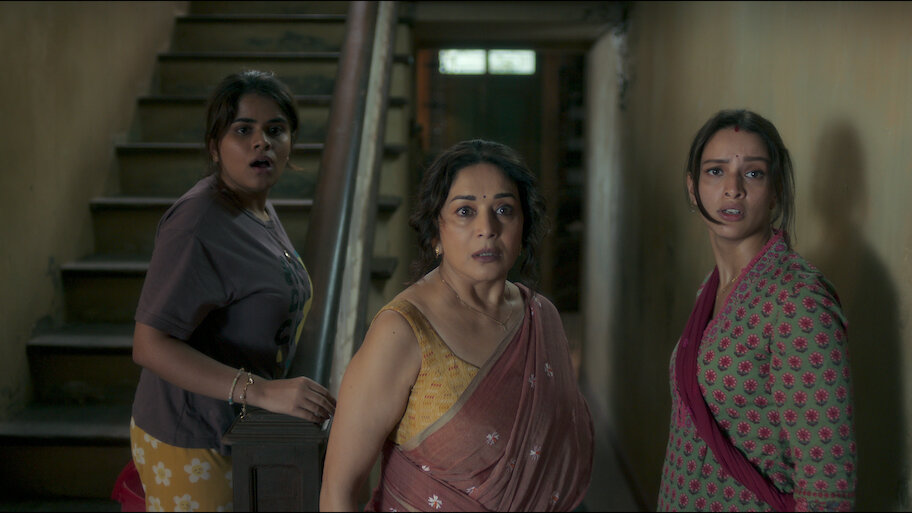
Maa Behen asks us to rethink who is considered a ‘bad woman’ and why. A bad woman is simply a woman who has stopped being useful to the patriarchy. She refuses to tolerate humiliation, refuses to protect a man’s reputation, or refuses to keep the family’s secrets. Women begin to reclaim their power when they stop performing ‘goodness’ and ‘respectability’ for a society that has never served them. Unlike the film’s ending, in real life, women don’t always get justice or their due. Many women are punished when they expose violence. Despite this, Maa Behen offers an important message: solidarity between women matters more than anything else. The film reminds us that, at times, women’s defiance is the most important thing in the face of an unjust, patriarchal society.
About the author(s)

Shivani Keny is a Ph.D. scholar at Birla Institute of Technology and Science (BITS) Pilani, K.K.Birla Goa-campus. Her PhD research is focused on understanding parentification and dysfunctional dynamics between parent-child relationships. She is driven by a strong desire to
deepen her understanding of the human mind and its connection to the world. Her passions include cooking, traveling and exploring different facets of life.